Overview
Many youth and school-aged students who are caught vaping are punished with school suspensions, fines, and even loss of driver’s licenses. While some youth have committed crimes (e.g., illegally selling vapes and illegal substances), others have simply been caught engaging in an addictive behavior over which they have lost control. Students and young people addicted to nicotine and other drugs need support changing their behavior, need health care, and resources, not punishment. There is a need to encourage these organizations to change their standard operating procedures from starting with or resorting to punishment when support and non-punitive consequences are needed.
ATVFC has worked with schools, local magisterial and juvenile justice courts, probation officers, and other justice-related organizations to learn about how nicotine addiction, possession, use, and purchase of illegal products impact their systems, students, defendants, and their parents. ATVFC provides technical assistance, guidance, workflows, logic models, and resources to support organizations in making intentional and operational changes toward restorative justice and non-punitive consequences for nicotine addiction.
What We Are Doing
Engaging with Juvenile and Magisterial Court Judges
We created an informational Restorative Justice one-pager.
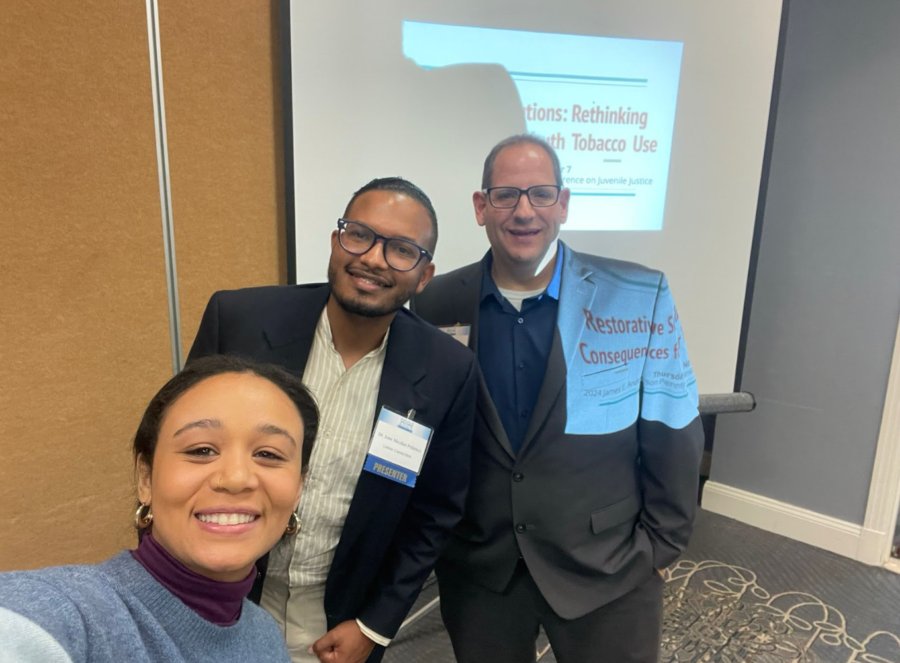
ATVFC attended the 2025 James E. Anderson Juvenile Judges Conference for a conversation about how nicotine purchase, use, and possession infractions are handled in their courts, the number of cases, typical punishments and consequences, and the resources and referrals available to defendants.
State of the Union on Latino Health

ATVFC exhibited information about our policy initiatives at the 2025 State of the Union on Latino Health. It included our work advocating for and providing technical assistance to schools and court systems, encouraging them to respond to youth vaping with non-punitive consequences — such as prevention and treatment resources — instead of suspensions, fines, or loss of a driver’s license, which can further harm a young person’s future.
Program Highlights
Check out the PennLive op-ed showcasing some of ATVFC’s restorative justice work — From Punishment to Prevention: A Restorative Approach to Youth Vaping, by Eric Rothermel, Vice President of Government Relations, Harrisburg Area YMCA.